
New Zealand’s Tobacco Price Hikes and the Shadow of E-Cigarettes: Addiction, Withdrawal, and Hidden Infection Risks
As high cigarette prices push people toward vaping, is it truly a safer alternative? A look at nicotine addiction, withdrawal symptoms, and the hidden dangers of bacterial contamination from an Auckland resident’s perspective.
[Summary]
New Zealand implemented steep tax increases on traditional cigarettes to promote a smoke-free environment. However, this policy led to a rapid rise in e-cigarette use as an affordable alternative, creating new public health concerns, particularly among teenagers.
The high-concentration nicotine in e-liquids stimulates the brain’s reward system, building strong physical dependence. Stopping usage leads to noticeable withdrawal symptoms, including anxiety, restlessness, and sleep disturbances.
Additionally, carrying unsealed devices in pockets or bags creates a breeding ground for bacteria like Staphylococcus aureus. Inhaling vapor through contaminated mouthpieces introduces bacteria into the lungs, increasing the risk of respiratory infections and pneumonia.
The Paradox of Tobacco Control Policies in Auckland
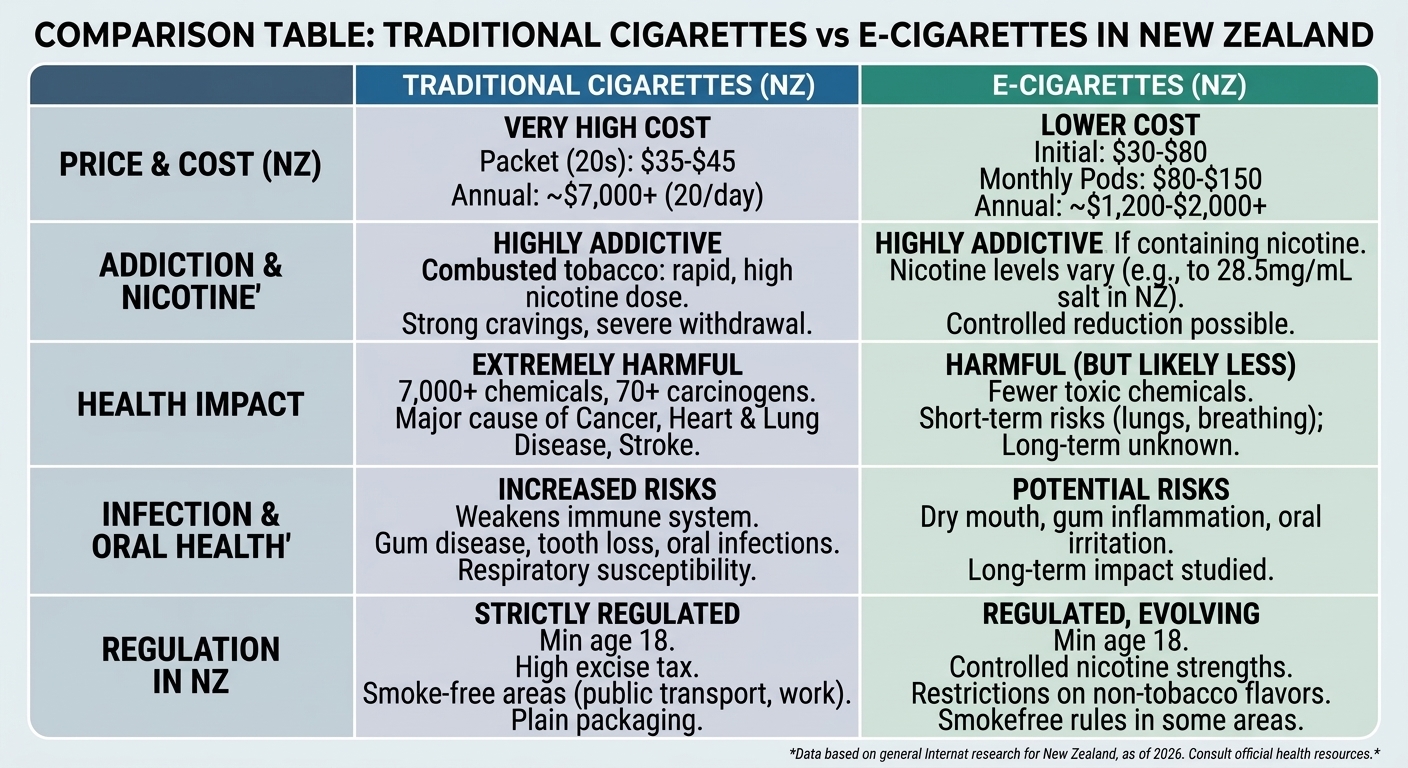
Observing Auckland over three decades reveals shifts in social habits. The New Zealand government raised cigarette prices above $30–$40 per pack through heavy taxation to discourage smoking. While the goal was reducing tobacco consumption, the market adapted differently.
E-cigarettes quickly replaced traditional cigarettes across demographics, including students. Fruity flavors and reduced odor lowered the entry barrier, shifting dependence to a new delivery mechanism rather than eliminating nicotine addiction.
Are E-Cigarettes Addictive? Nicotine and Withdrawal Reality
E-cigarettes are often viewed as harmless vapor, but most e-liquids use nicotine salts, which enter the bloodstream rapidly. Nicotine triggers dopamine release in the brain. As levels drop, cravings begin, leading to specific physical and psychological responses:
- Heightened anxiety and restlessness
- Reduced concentration and irritability
- Headaches, increased appetite, and insomnia
- Compulsive urges to use the device
Because vaping allows frequent, unrestricted puffing, total nicotine intake can match or exceed that of traditional smoking.
Vapes in Pockets: Bacterial Growth and Infection Risks
Unlike single-use cigarettes, vaping devices feature reusable plastic or metal mouthpieces. Carrying open devices in pockets or bags exposes the mouthpiece to lint, dust, and environmental bacteria.
Saliva residues combined with pocket warmth enable rapid multiplication of pathogens such as Staphylococcus and Streptococcus. Inhaled aerosol carries these microorganisms directly into the respiratory tract, increasing risks of stomatitis, periodontitis, and bacterial pneumonia.
Managing Vaping Devices and Protecting Respiratory Health
For active users, basic hygiene measures reduce exposure to foreign contaminants:
- Sanitize Mouthpieces: Wipe drip tips daily with alcohol wipes.
- Use Protective Caps: Store devices in clean cases or silicone covers when carried in pockets or bags.
- Replace Coils and Pods: Replace components regularly to prevent inhaling burnt residues and heavy metals.
- Avoid Device Sharing: Sharing mouthpieces transfers oral bacteria and viruses directly between individuals.
[Conclusion]
High taxation aimed at curbing smoking accelerated the spread of e-cigarettes. While marketed as a cleaner alternative, vaping maintains nicotine dependence and introduces risks associated with unhygienic device handling. Addressing these issues requires evaluating the factual health impacts of both nicotine and device contamination.
[Q & A]
Q1. Do nicotine-free e-liquids eliminate addiction risks?
A1. Nicotine-free liquids eliminate chemical dependence on nicotine. However, behavioral habits associated with hand-to-mouth routines remain. Chemical irritants in flavorings and bacterial contamination risks from dirty mouthpieces still apply.
Q2. Can carrying a vape device in a pocket cause persistent coughing?
A2. Inhaling dust and bacteria accumulated on unsealed mouthpieces can irritate airway tissue and trigger inflammation. Disinfecting the device and using protective caps can minimize contamination.
Sources and References
- New Zealand Ministry of Health (Health New Zealand / Te Whatu Ora) – Smokefree & Vaping Legislation and Health Effects
- New Zealand Defence Health Hub – Vaping and your health: Nicotine dependence and symptoms
- NSW Health – Vaping quit support & nicotine withdrawal management