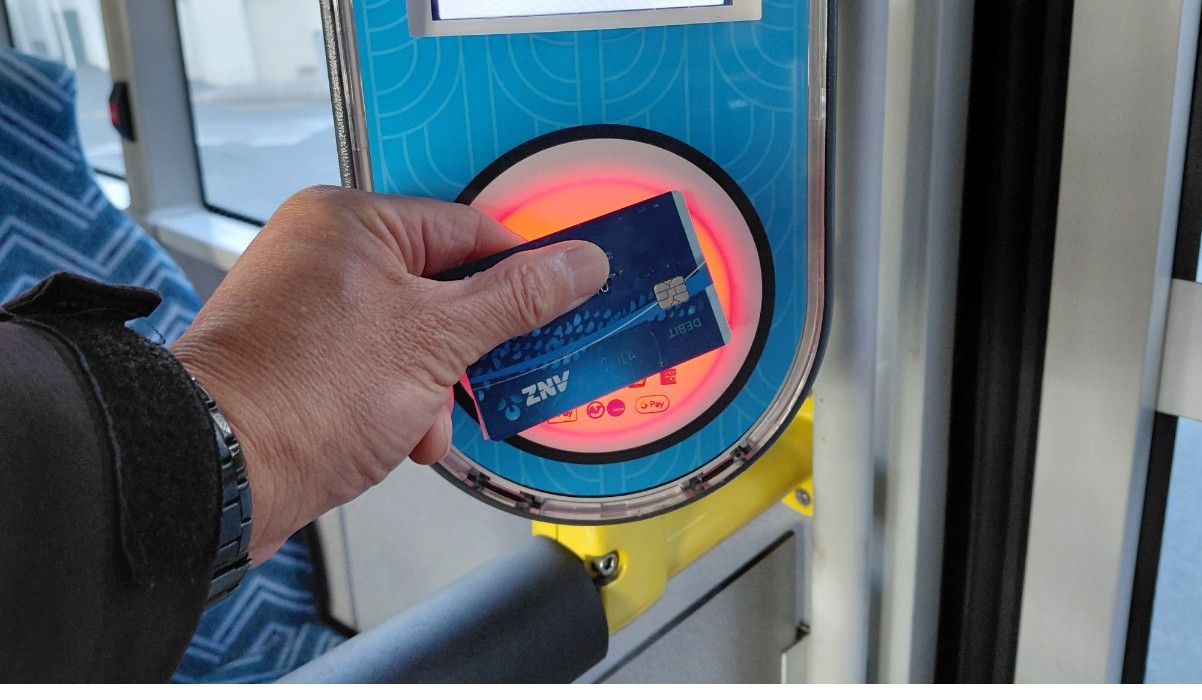
Auckland Public Transport Guide: The Truth About Contactless Tag-Off & Bus Fare Zone Structure
As an Auckland city bus driver, I frequently notice passengers paying with contactless credit cards or mobile wallets (like Apple Pay) hesitate or completely avoid tapping out (tagging off) when exiting the bus.
When drivers remind passengers with a friendly “Please tag off!”, many look concerned and ask: “I already tapped when getting on—if I tap again, won’t I be double charged?”
Here is the quick answer: Absolutely not! In fact, skipping tag-off will cost you significantly more due to default penalty fares.
In this guide, we’ll break down why tagging off is essential in Auckland, explain how the Zone fare system works, and share practical insider tips from a local bus driver.
1. Auckland Transit Fares at a Glance
Auckland’s public transport system (buses and trains) does not use a flat single-fare system. Instead, fares are calculated based on Zone-based distance travel.
- 100% Cashless: Cash is not accepted on buses.
- Accepted Payment Methods: Physical AT HOP cards, contactless debit/credit cards (Visa/Mastercard/Amex), and mobile wallets (Apple Pay, Google Pay).
- How Tagging Works:
- Tag-On (Entry): Registers your boarding location and starting zone.
- Tag-Off (Exit): Confirms your exit location and calculates the total zones traveled.
- Will You Be Double Charged? No. Tag-on places a temporary authorization. When you tag off, the system calculates the total zones traveled and charges a single, accurate fare.
2. Zone Fare Structure
Auckland is divided into concentric fare zones radiating outward from the City Centre (Zone 1). Your fare depends on how many zones your journey crosses.
| Fare Option / Distance | Adult One-Way Fare | Sample Route & Key Destinations |
| CityLink Bus | $0.95 | Inner City Centre Loop |
| 1 Zone | $3.00 | City Centre ↔ Newmarket / Ponsonby / Domain |
| 2 Zones | $4.90 | City Centre ↔ New Lynn / Onehunga / Takapuna |
| 3 Zones | $6.50 | City Centre ↔ Henderson / Albany / Botany |
| 4+ Zones (Max Cap) | $7.90 | City Centre ↔ Papakura / Hibiscus Coast |
Visual Tip: You can view the official Auckland Transport Zone Map on the AT website to check how many zone boundaries your trip covers.
3. What Happens If You Skip Tag-Off?
Some passengers skip tagging off thinking it saves money, but the actual result is quite the opposite.
1. Automatic Default Fare Charge ($7.90)
If you fail to tag off, the system cannot verify where you exited. It automatically assumes you stayed on until the end of the line (4+ zones).
- Normal Tag-Off (1 Zone): $3.00
- Skipped Tag-Off: Maximum Default Fare of $7.90 charged automatically.
- Result: You end up paying more than double the actual fare.
2. Afternoon School Peak Delays (2:30 PM – 4:00 PM)
Between 2:30 PM and 4:00 PM, buses become extremely crowded with students leaving school alongside afternoon commuters. When passengers hesitate at the rear doors or leave without tagging off properly, it causes congestion at the exit doors, leading to domino-effect route delays of 20 to 30 minutes.
Pro Tip: If possible, avoid non-essential bus travel during the peak school departure window (14:30–16:00) to ensure a smoother trip.
4. Insider Commuter & Transfer Tips
1. Tag-Off Keeps Your Transfer Discount Active
Auckland Transport offers free transfers between buses and trains within 2 hours of your initial tag-on, provided your transfer occurs within 30 minutes of tagging off. If you skip tagging off, your previous journey remains incomplete, breaking the transfer connection and charging you a brand new base fare on your next ride.
2. Use the Same Card or Device to Tag On and Tag Off
- If you tapped on with a physical credit card, tap off with the same physical card.
- If you tapped on using Apple Pay / Google Pay, tap off using the same mobile device.
- Note: A physical card and its digital wallet counterpart use different virtual token IDs in transit systems. Mixing them will cause two separate charges. Also, remove your card from your wallet before tapping to prevent “Card Clash.”
3. Driver’s Etiquette Tips
- Hail the Bus: Bus stops in Auckland are request stops. As your bus approaches, clearly raise your hand (hail) so the driver knows to stop.
- Be Ready to Tag Off: Have your card or phone in hand before arriving at your stop so you can exit smoothly without blocking other passengers.
5. Fare Caps & Maximum Savings
Auckland Transport features automatic fare caps to help commuters save money—provided all tag-offs are logged correctly:
- $20 Daily Cap (Contactless / Mobile Pay): Pay a maximum of $20 per day across buses and trains; all additional rides that day are free.
- $50 Weekly Cap (Physical AT HOP Card): Reach $50 within 7 days, and all subsequent bus, train, and ferry trips for the rest of the week are free.
- 30-Minute Transfer Window: Enjoy seamless, free transfers when switching vehicles within 30 minutes of tagging off.
6. Frequently Asked Questions (FAQ)
Q1. I forgot to tag off and was charged $7.90. Can I request a refund?
A: Yes. You can lodge a “Missed Tag-off” query via AT Mobile App or the official Auckland Transport website under Contact Us. Provide your card number, date, bus route, and actual boarding/exiting stops. After verification, AT will refund the price difference.
Q2. Why don’t I see an immediate transaction notification or why is there a pending $0/$1 hold?
A: Transit terminals verify card validity by issuing a temporary pre-authorization ($0 or $1). All your rides, transfers, and daily caps are calculated overnight and billed as a single consolidated charge.
Final Word from Your Driver
> “On Auckland buses, ‘Tag On when boarding, Tag Off when exiting’ is the golden rule to protect your wallet. Tap with confidence every time!”